


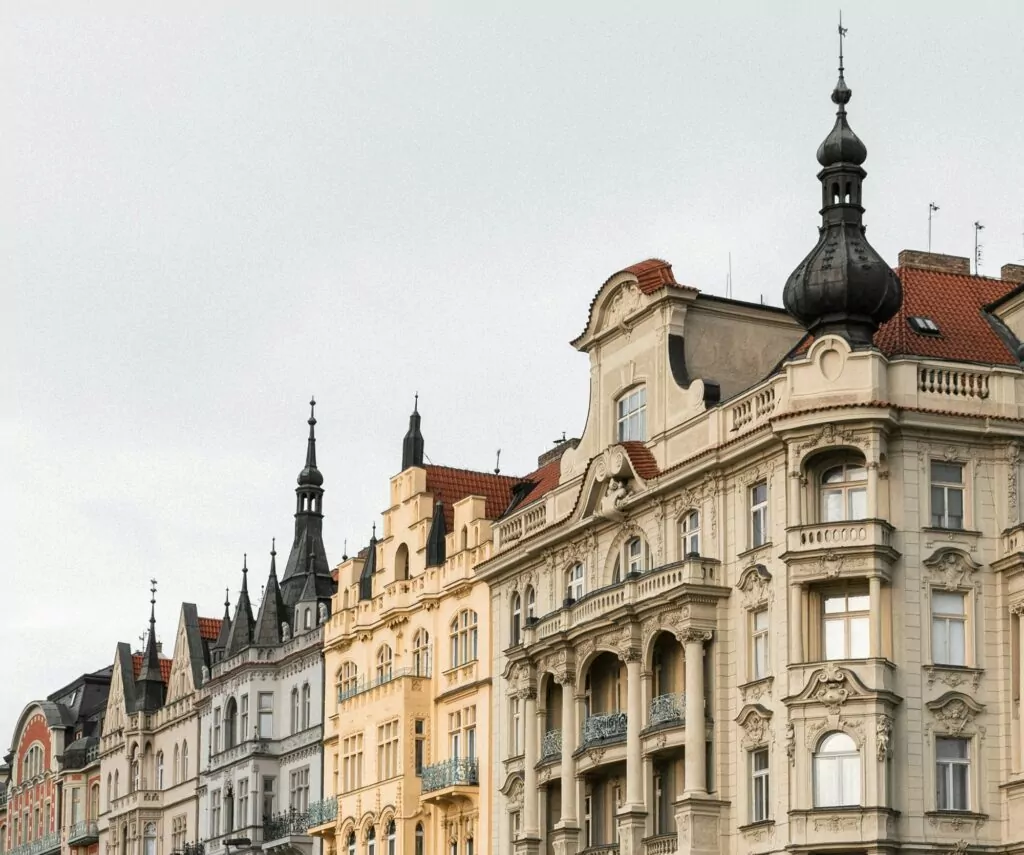
Reducing Greenhouse Gas Emissions in the Czech Republic’s Real Estate Sector: Strategies and Energy Efficiency
Reducing Greenhouse Gas Emissions in the Czech Republic: Challenges and Strategies
Achieving the European target of reducing greenhouse gas emissions by 90% by 2040 represents a significant challenge for the Czech Republic. According to a study by the consulting firm EGU for the Czech Industry Union, the country’s decarbonization would exceed the available financial and technological capacities, heavily impacting the industrial sector. The required investments would exceed three trillion crowns, with high risks of production reduction and relocation of activities. Buildings contribute to about 10% of the country’s total emissions. The government has therefore launched measures to:
-
Improve thermal insulation of buildings
-
Reduce traditional heating
-
Replace obsolete technologies with low-emission systems
Strategies to Increase Domestic Energy Efficiency
The most effective method to reduce greenhouse gas emissions from buildings is a combined approach of advanced thermal insulation, intelligent heat control systems, and changes in owner behavior. The main strategies include:
-
Reducing energy demand through thermal insulation
-
Replacing decentralized coal boilers with low-emission solutions
-
Promoting electric vehicles and sustainable mobility
-
Increasing the use of renewable resources
These interventions require political responsibility and a coordinated commitment across all economic sectors. Only an integrated approach can ensure the achievement of zero-emission goals.
The Role of the SEP and the National Energy and Climate Plan
The Czech Republic bases its energy policy on the State Energy Policy (SEP), drafted by the Ministry of Industry and Transport and updated every five years. The SEP focuses on three macro-objectives: security, competitiveness, and sustainability. The strategic priorities include:
-
Balanced energy mix and industry transformation
-
Energy efficiency improvements and energy savings
-
Infrastructure development, research, and training in the energy sector
The National Energy and Climate Plan (NECP) translates European goals into concrete actions, promoting incentives to renovate buildings, replace coal boilers, and implement awareness campaigns on home energy efficiency.
Energy Security and Technological Innovation
Energy security requires source diversification, reducing the use of coal, oil, and fossil fuels, and increasing the share of renewable energy. To improve energy efficiency, the NECP includes measures such as:
-
Waste heat recovery
-
Combined heat and power use
-
Reduction of industrial emissions and transport consumption
However, the Czech Republic has not yet defined quantifiable targets for public energy research and innovation, relying on national and ministerial support programs.
Local Engagement and a Sustainable Future
Beyond national policies, the role of local authorities is crucial. Cities and regions can implement innovative projects to improve energy efficiency, promote renewable energy use, and reduce greenhouse gas emissions. Effective local actions include:
-
Renovation of public and private buildings
-
Sustainable mobility projects and electric transport
-
Awareness campaigns to reduce energy waste
Only through collaboration between government, industry, and local communities will it be possible to face the decarbonization challenge, building a sustainable energy future for the Czech Republic.